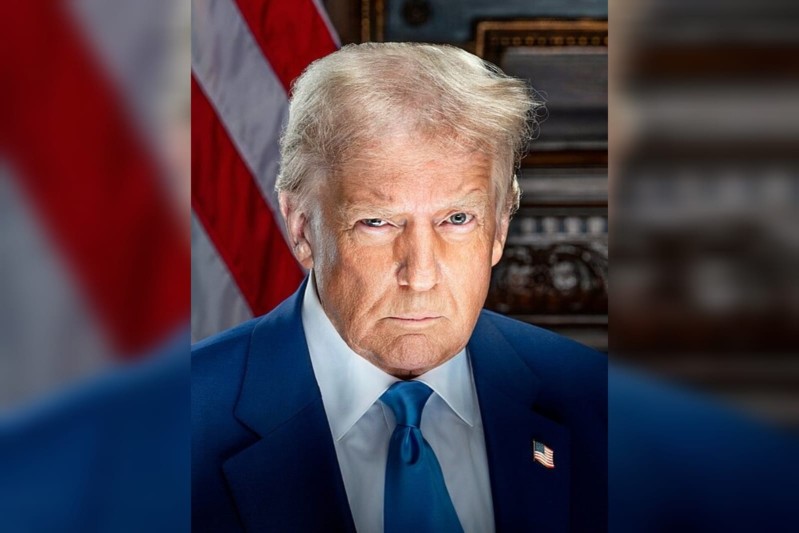
Negotiations between the United States and Iran have reportedly progressed towards a potential agreement, according to US President Donald Trump, who suggested that discussions are close to a significant breakthrough. Despite this optimistic outlook from the White House, Iranian officials have expressed that considerable differences still need to be resolved, indicating that a finalized deal is not yet in place.
Following an extensive meeting with senior advisers, President Trump detailed several key conditions that would be part of any potential agreement. These conditions include assurances from Iran that it will not pursue nuclear weapons, measures to enhance maritime security in the Strait of Hormuz, and limitations on Iran’s stockpile of highly enriched uranium. While these conditions signal a hopeful stance from the US, Iranian leaders have emphasized that negotiations continue without a conclusive agreement.
In Tehran, Iranian representatives have consistently maintained their commitment to national sovereignty and the protection of strategic interests, particularly concerning the management of the Strait of Hormuz and the future direction of their nuclear program. Influential lawmakers and political figures have underscored that Iran is unwilling to compromise on aspects it deems crucial to its national security. This stance highlights the ongoing complexity of the negotiations, as both sides work through remaining issues.
The discussions occur against a backdrop of heightened regional tensions and global energy market concerns. The Strait of Hormuz plays a critical role as one of the world’s key shipping lanes for oil and gas exports, making any agreement that involves its security and management significant for international trade and energy stability. Diplomatic efforts, including mediation by regional players, have been ongoing, focusing on extending peace and preventing further conflicts in the area.
Analysts point out that the differing public statements from Washington and Tehran illustrate the fragile nature of the talks. While there is a shared interest in avoiding renewed hostilities, differences over nuclear activities, sanctions, and security measures present ongoing challenges. As negotiators from both sides strive to bridge these gaps, the outcome remains uncertain, with hopes of achieving a framework that could ease tensions and contribute to long-term regional stability.