The irony facing American EV advocates in the current moment is acute. US interest in electric vehicles has surged 20 percent in three weeks, driven by $3.90-per-gallon gasoline generated by the Iran conflict. The financial motivation to go electric has never been more powerful in the US market. And the current administration — whose military action helped generate the fuel price spike — is simultaneously rolling back the EV infrastructure investment, purchase incentives, and emission standards that would allow the market to respond effectively to that consumer signal.
The conflict’s energy consequences stem from Iran’s closure of the Strait of Hormuz following US and Israeli military strikes. That waterway carries roughly one-fifth of global oil supply, and its disruption elevated crude prices and pushed American retail fuel costs to their highest level in nearly three years. The consumer response — documented by CarEdge and Edmunds as a clear and immediate behavioral shift toward EV consideration — is the market signal that consistent infrastructure investment would be designed to support.
CarEdge’s Justin Fischer and Edmunds’ Jessica Caldwell both noted that the market signal is genuine and powerful, but that structural conditions for responding to it are incomplete. Caldwell’s four-year policy problem observation is particularly resonant in the current context — automakers and infrastructure investors cannot respond to a demand signal effectively when the policy framework supporting that response may be reversed by the next administration.
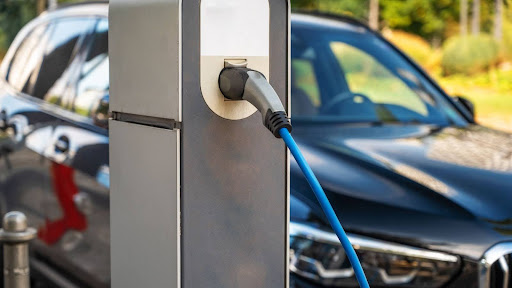
The charging infrastructure gap is particularly acute. Don Francis of the EV Club of the South identified charging access as the primary practical barrier preventing the current interest wave from converting more fully into purchases, particularly outside major metropolitan areas. Building that infrastructure requires exactly the kind of sustained, large-scale investment that the current administration has been moving away from rather than toward.
The infrastructure gap that the current wave of US interest in electric vehicles has revealed will not be filled by market forces alone. Sustained policy commitment, capital investment, and regulatory stability are all required — a combination that has been inconsistently available in recent years and is less available today than at recent high points. The consumer demand is there; the infrastructure to serve it effectively remains inadequate.