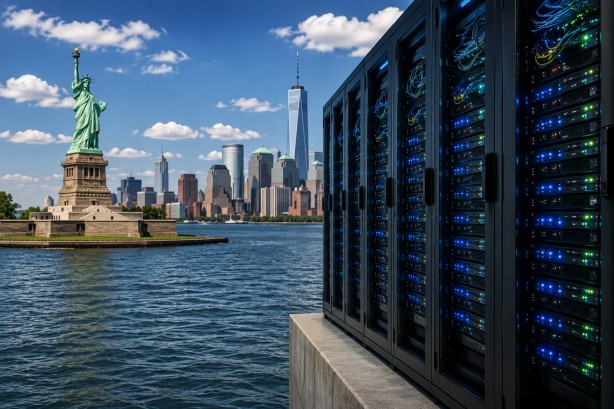
In a pioneering move, New York has imposed a temporary halt on the approval of new large-scale data centers designed to support artificial intelligence systems, marking the first such measure by a state in the U.S. Governor Kathy Hochul has enacted an executive order that suspends the state’s permitting process for new “hyperscale” data centers with a power capacity greater than 50 megawatts. This decision aims to tackle mounting concerns regarding escalating energy expenses, environmental effects, and the strain on natural resources.
The moratorium, set to last for up to a year, provides an opportunity for state regulators to devise more stringent regulations pertaining to energy consumption, water usage, and environmental safeguards, along with evaluating the impact of these data centers on nearby communities. Governor Hochul stressed the necessity for such measures as the swift expansion of data centers poses a threat of increasing utility costs, overburdening energy infrastructure, and depleting natural resources, notably water supplies.
In addition to the temporary halt, New York is contemplating further strategies, which might include obligating large data centers to either produce their own power or pay elevated energy rates. The objective is to prevent the transfer of additional costs onto residents. Public apprehension about the proliferation of AI-related infrastructure is growing nationwide, with several states deliberating over restrictions on new data center developments due to fears of heightened electricity prices, potential environmental harm, and land use issues.
Governor Hochul also highlighted the importance of constructing future data centers only in communities that endorse such projects, insisting on adherence to local zoning regulations. The state plans to ensure that regions accommodating significant facilities benefit economically. This executive order is part of New York’s broader initiatives to regulate AI infrastructure, coinciding with ongoing legislative discussions about additional measures focused on transparency, energy efficiency, and environmental protections.