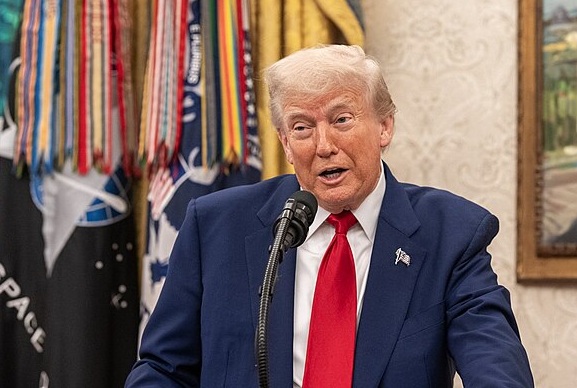
A United States federal court has determined that the $100,000 fee mandated by President Donald Trump for new H-1B visa applications was unlawful, marking a significant challenge to the administration’s immigration agenda. The decision comes as a result of a lawsuit filed by a coalition of state attorneys general, with Judge Leo Sorokin presiding over the case. According to the court, the fee was equivalent to a tax, which the president lacked congressional authority to implement.
In his ruling, Judge Sorokin asserted that the federal agencies in charge of handling H-1B visas were not legally permitted to enforce the fee. He argued that the policy overstepped the bounds of executive power and could have adverse effects on vital industries like healthcare and education that are heavily dependent on skilled foreign professionals. The Trump administration has announced its intention to appeal the ruling, expressing optimism that the decision will eventually be reversed.
The H-1B visa program is pivotal for U.S. employers looking to recruit highly skilled foreign workers in specialized areas. Annually, 65,000 visas are allocated under the standard quota, with an additional 20,000 set aside for individuals holding advanced degrees. Indian professionals constitute the largest group of H-1B visa recipients. Prior to the proposed fee hike, employers typically incurred several thousand dollars in processing and filing expenses.
The introduction of the $100,000 charge was part of a broader strategy to deter dependence on foreign labor, aiming to boost the hiring of American workers. However, with the court’s recent decision, the enforcement of this contentious fee is halted, pending the outcome of the administration’s appeal process. This legal development underscores the ongoing debate over immigration policies and their impact on the U.S. labor market.