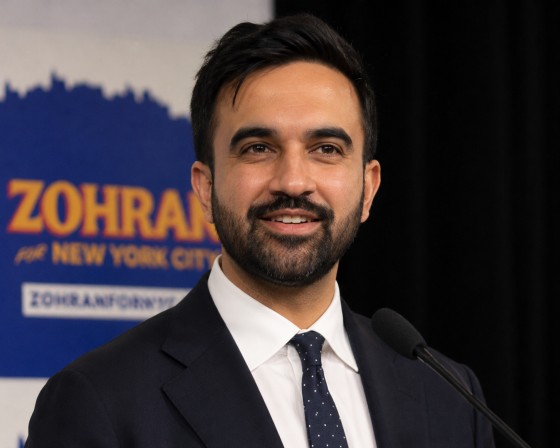
New York City Mayor Zohran Mamdani recently stated that his administration lacks the legal capability to detain Israeli Prime Minister Benjamin Netanyahu if he visits the United States later this year. In a social media video, Mamdani explained that after examining all potential legal avenues related to the International Criminal Court’s (ICC) arrest warrant for Netanyahu, it was determined that New York City does not have the jurisdiction to enforce such a warrant.
Despite this limitation, Mamdani urged the federal government to acknowledge the ICC’s warrant and take appropriate action. He labeled Netanyahu a war criminal and emphasized that the Israeli prime minister, along with others facing similar allegations, would not be welcomed in New York City. Netanyahu’s anticipated visit to New York in September for the United Nations General Assembly has brought this issue to the forefront. This stance aligns with Mamdani’s earlier campaign promise to investigate ways to implement the ICC warrant should Netanyahu enter the city.
The ICC issued the arrest warrant for Netanyahu in 2024 concerning alleged war crimes. However, the United States is not a member of the ICC and does not recognize its jurisdiction, adding a layer of complexity to the situation. This discrepancy highlights the challenges faced by local authorities like Mamdani in addressing international legal matters.
Reacting to Mamdani’s comments, former US President Donald Trump criticized the mayor’s stance, asserting that Netanyahu would not be arrested on American soil. Trump defended Netanyahu’s actions and dismissed the notion of legal action against the Israeli leader in the United States.
In response to the controversy, Netanyahu expressed a lack of concern over Mamdani’s remarks, indicating that he remains unfazed by the mayor’s position on the matter. As the debate continues, the situation underscores the complexities of international legal proceedings and their implications for diplomatic relations.