As tensions between the United States and China continue to simmer over trade and technology issues, Chinese President Xi Jinping has embarked on a significant state visit to Washington. The trip comes at a pivotal moment, with both nations seeking to smooth over economic and strategic differences while navigating a complex international landscape.
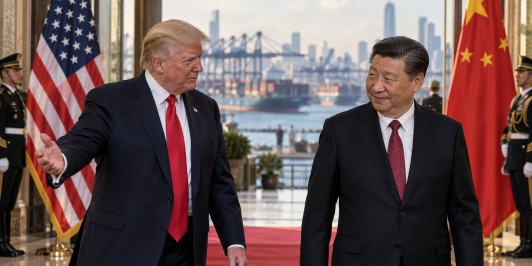
The state visit commenced with an unusually high-profile welcome at Joint Base Andrews, where U.S. President Donald Trump and First Lady Melania Trump personally greeted President Xi and his wife, Peng Liyuan. The ceremonial reception included military honors, national flags, and a flyover by U.S. B-1 bombers, underscoring the importance of the visit.
Central to the discussions during President Xi’s two-day visit is the ongoing trade relationship between the world’s two largest economies. The meetings coincide with an announcement by U.S. Treasury Secretary Scott Bessent that the U.S. and China have agreed to extend the Busan agreement. This temporary arrangement, which halts certain trade-related measures, will now remain in effect until January 10, maintaining the current trade truce.
In addition to trade, the visit is expected to cover a range of topics, including advancements in artificial intelligence and broader technological competition. Both nations are keenly interested in bolstering their positions in these strategic sectors, which have become a focal point of global economic competition.
President Xi’s agenda in Washington includes a formal welcome at the White House, meetings with President Trump, and other official engagements. These interactions aim to foster dialogue and manage economic and strategic differences, highlighting the importance of maintaining open channels of communication amid ongoing geopolitical tensions.