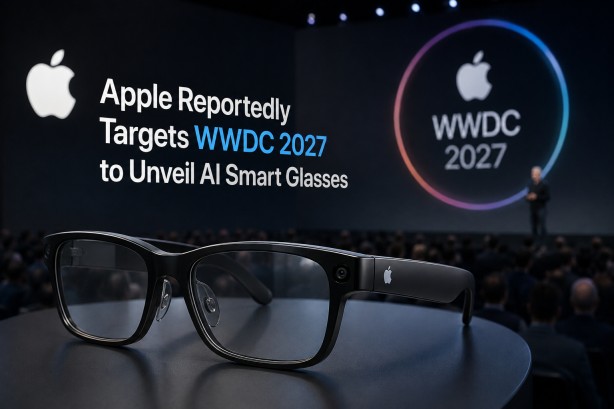
Apple is gearing up to introduce its inaugural AI-driven smart glasses at the Worldwide Developers Conference (WWDC) in 2027, with plans to make them available to the general public later that year. Initially, the company intends to present the product to developers, allowing them ample opportunity to create applications before the device hits the consumer market. This strategic move aligns with Apple’s approach of leveraging developer support to enrich the user experience upon release.
The timeline for the launch of Apple’s smart glasses appears to have been delayed, not due to technological hurdles but as a result of the company’s commitment to enhancing privacy measures. Apple is placing a strong emphasis on user privacy, viewing it as a vital component in earning public trust for their new wearable technology, particularly one that is equipped with cameras. This focus on privacy is central to Apple’s strategy to stand out in a market where concerns over data security and surveillance are prevalent.
In an effort to safeguard user information, Apple’s smart glasses are expected to utilize on-device artificial intelligence extensively. This approach minimizes the necessity of transmitting user data to cloud services, thereby improving data security. Furthermore, the company is reportedly steering clear of potentially contentious features like facial recognition and continuous environmental scanning. By opting out of using customer recordings to train AI models, Apple is testing innovative hardware and software solutions that prioritize privacy.
The decision to integrate robust privacy protections alongside advanced AI functionalities is part of Apple’s broader strategy to distinguish its smart glasses from those of its competitors. By addressing the privacy concerns associated with wearable devices that include cameras, Apple aims to create a product that not only offers cutting-edge technology but also respects user privacy. This dual focus on innovation and security reflects Apple’s commitment to setting industry standards in both technological advancement and ethical responsibility.