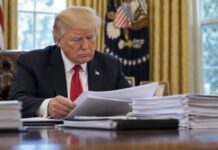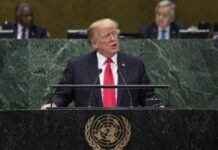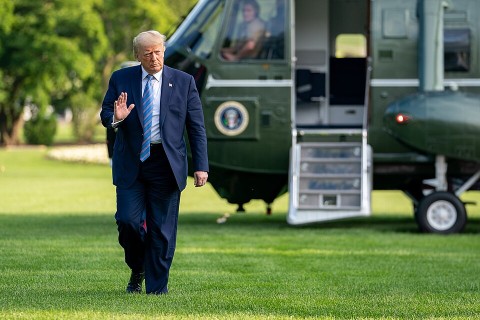
In a strategic pause, U.S. President Donald Trump has decided to delay a planned military attack on Iran, initially set for Tuesday. This decision comes after Gulf leaders, including the Emir of Qatar, the Crown Prince of Saudi Arabia, and the President of the United Arab Emirates, requested a halt to allow diplomatic negotiations to proceed. They assured Trump that ongoing discussions might lead to a significant deal aimed at de-escalating tensions.
Trump conveyed his rationale through a post on Truth Social, highlighting his confidence in the leadership of these Gulf nations. He expressed optimism that the emerging deal would ensure Iran does not develop nuclear weapons, a primary concern for the United States and its allies in the region. Trump’s post emphasized that the leaders assured him the negotiations would yield an agreement beneficial to the U.S., the Middle East, and beyond.
Despite the pause in military action, Trump has instructed his defense team to remain on high alert, ready to launch a full-scale offensive should the negotiations fail. He directed Secretary of War Pete Hegseth and General Daniel Caine, Chairman of the Joint Chiefs of Staff, to prepare for a potential assault on Iran if an acceptable agreement is not reached swiftly. This directive underscores the administration’s readiness to escalate military measures if diplomatic efforts falter.
The development follows reports of Iran’s updated proposal sent to the U.S. through Pakistani intermediaries. However, the proposal was deemed inadequate by U.S. officials, who stated it lacked substantial changes necessary for a viable agreement. A senior official remarked that if Iran continues its current nuclear stance, discussions may shift from diplomatic channels to military action, expressing disappointment over the potential for increased hostilities.
Earlier, Iran had submitted a revised 14-point proposal aiming to address the ongoing conflict in the Middle East. However, the U.S. response indicates that Tehran’s adjustments were minor and insufficient, suggesting Iran’s apprehension about potential U.S. military retaliation. The situation remains tense as both sides navigate the complex diplomatic and military landscape in pursuit of a resolution.