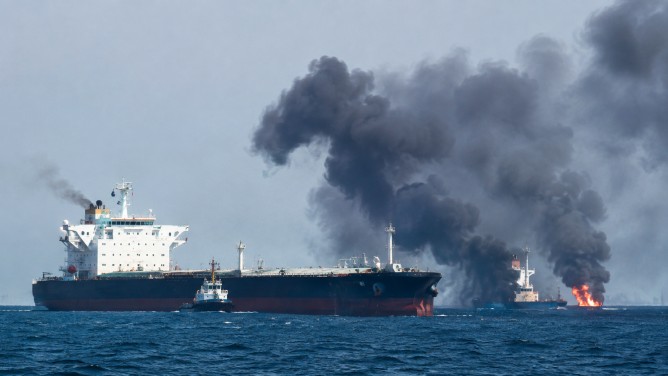
The Islamic Revolutionary Guard Corps (IRGC) of Iran announced it had targeted two oil tankers navigating the Strait of Hormuz under the protection of U.S. military forces. The IRGC claimed these vessels had strayed from its prescribed shipping lane. Following this incident, four additional tankers reportedly reversed course to avoid conflict.
Recognized as one of the most critical corridors for global energy transportation, the Strait of Hormuz has become a focal point of disruption amid escalating hostilities between Iran and the United States. The intensification of this conflict has led to a marked decrease in maritime activity, contributing to a spike in global crude oil prices, which have surged past $90 per barrel.
Regional military tensions show no signs of abating. In Kuwait, authorities reported the interception of Iranian drones aimed at vital military and strategic sites, managing to prevent any casualties. Meanwhile, in Lebanon, Israel executed a significant assault near Beaufort Castle, asserting that it targeted Hezbollah’s infrastructure. This act prompted condemnation from Lebanese officials, who accused Israel of violating the ceasefire agreement in place.
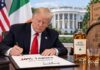
Back in the United States, President Donald Trump gathered his cabinet at Camp David to evaluate the ramifications of the ongoing conflict, especially its economic consequences. The U.S. administration is feeling the strain as fuel and consumer prices soar, with recent polls reflecting waning public support for the war effort.
The enduring instability in the region has not only influenced global markets but also led to increased profits for major energy companies, as they benefit from the elevated oil prices. As the situation continues to unfold, these economic dynamics highlight the broader implications of the conflict.