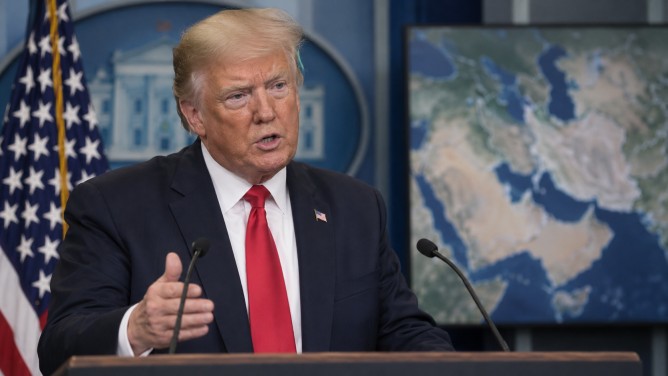
In recent remarks at the White House, U.S. President Donald Trump expressed optimism that the ongoing conflict with Iran could conclude shortly, highlighting efforts to prevent Tehran from developing nuclear weapons. He also suggested that a resolution could lead to a decrease in global fuel prices, contingent on stabilizing conditions in the region.
Trump emphasized the U.S.’s openness to direct negotiations with Iran but dismissed a recent proposal from Tehran, citing doubts about the reliability of its leadership. Despite ongoing tensions, he assured that no new military strikes would occur before the forthcoming midterm elections on November 3. Discussions between the U.S. and Iran, according to Trump, have been constructive, yet the administration has not ruled out the potential for military action after the elections.
The conflict, which has persisted for several months, remains unresolved despite attempts to broker a ceasefire and establish a definitive peace agreement. Key sticking points include disagreements over military operations and control of the Strait of Hormuz, a crucial maritime passage where approximately 20% of the world’s oil supply transited prior to the escalation of hostilities. The blockade of this strategic waterway has had significant repercussions for global energy supply and pricing.
Negotiations hit a snag when Trump turned down an Iranian offer to reopen the strait within a week, contingent on specific terms. This impasse underscores the complexity of the diplomatic efforts, leaving the prospects for a sustainable agreement uncertain.