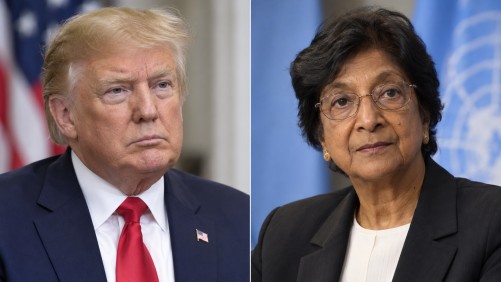
On October 9, the Nobel Peace Prize was awarded to Navi Pillay, a distinguished South African lawyer, for her extensive work promoting human rights, international law, and peace. Pillay’s career has been marked by her efforts in the anti-apartheid movement and her investigations into crimes against humanity. This decision by the Norwegian Nobel Committee underscores the significance of international law amidst increasing challenges facing global legal institutions.
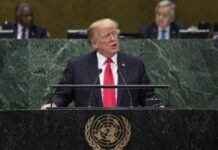
Despite a fervent campaign by US President Donald Trump, who had sought the prestigious award by highlighting his administration’s involvement in resolving or preventing various international conflicts, the prize eluded him. Trump has asserted that his efforts were instrumental in addressing issues such as the Israel-Hamas war and tensions involving Iran and Israel. He also pointed to US-led negotiations aimed at curbing Russia’s ongoing war against Ukraine.
However, several international conflicts remain unresolved. Diplomatic efforts have yet to yield a cessation of hostilities involving Iran, and Russia’s invasion of Ukraine continues with little sign of a lasting peace agreement. Additionally, Trump’s proposed recovery plan for Gaza has encountered setbacks, including disputes over Israeli troop withdrawals and the disarmament of Hamas.
Trump has expressed dissatisfaction over not receiving the Nobel Peace Prize, critiquing previous committee decisions. Historically, four US presidents—Theodore Roosevelt, Woodrow Wilson, Jimmy Carter, and Barack Obama—have been honored with the award. Despite this, Trump has been acknowledged elsewhere for his peace initiatives; FIFA President Gianni Infantino awarded him the inaugural FIFA Peace Prize in December 2025, and Venezuelan opposition leader María Corina Machado, the 2025 Nobel Peace Prize laureate, presented her award to Trump in early 2026.
Nevertheless, the Nobel Institute maintains that its prize, once conferred, cannot be revoked, shared, or transferred to another individual. This clarification underscores the distinct and unalterable recognition that the Nobel Peace Prize affords its recipients.