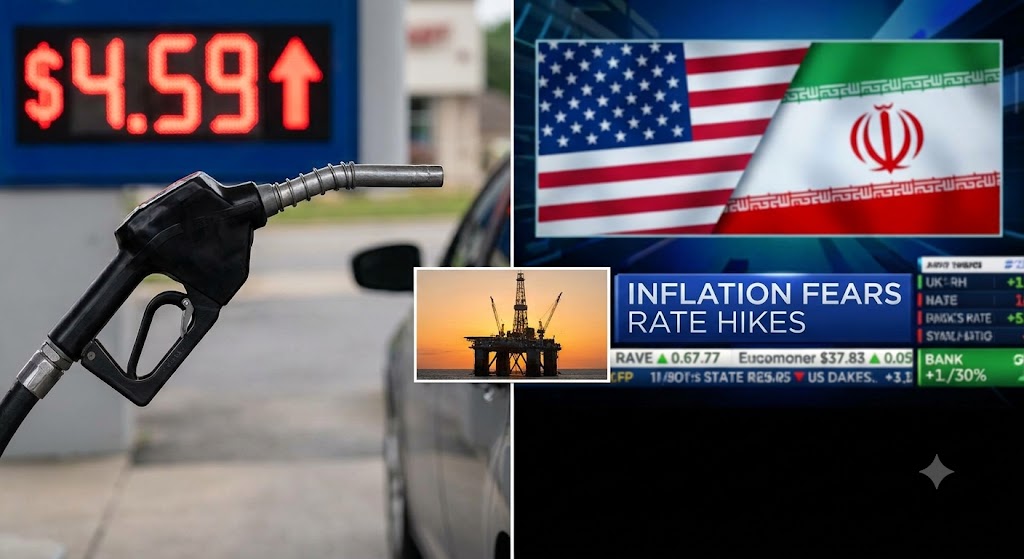
The latest escalation of military tensions between the United States and Iran has led to a surge in global oil and gas prices, sparking concerns about potential disruptions to energy supplies and rising inflation. In response to these developments, Brent crude oil prices spiked to their highest point in more than a month. The market did experience some relief when US President Donald Trump decided against implementing a proposed 20% fee on ships navigating the Strait of Hormuz, a crucial channel for global oil transportation.
With energy prices on the rise, there is growing anticipation that central banks, such as the Bank of England and the European Central Bank, might consider raising interest rates later this year as a strategy to tackle inflation. This economic outlook has also affected the bond market, where yields have seen an increase. Meanwhile, European stock markets initially reacted negatively to the prospect of the shipping levy, but they rebounded as concerns about the proposal diminished.
Analysts express that the persistent volatility in the Middle East has the potential to keep energy markets unpredictable. This instability could significantly impact global inflation rates and the monetary policies of central banks in the coming months, making the situation a focal point for economic strategists worldwide.
As tensions continue to simmer, the international community remains vigilant about the situation’s implications on energy security and economic stability. The strategic Strait of Hormuz plays a vital role in the oil supply chain, and any disruption in this region can have far-reaching consequences on energy pricing globally.