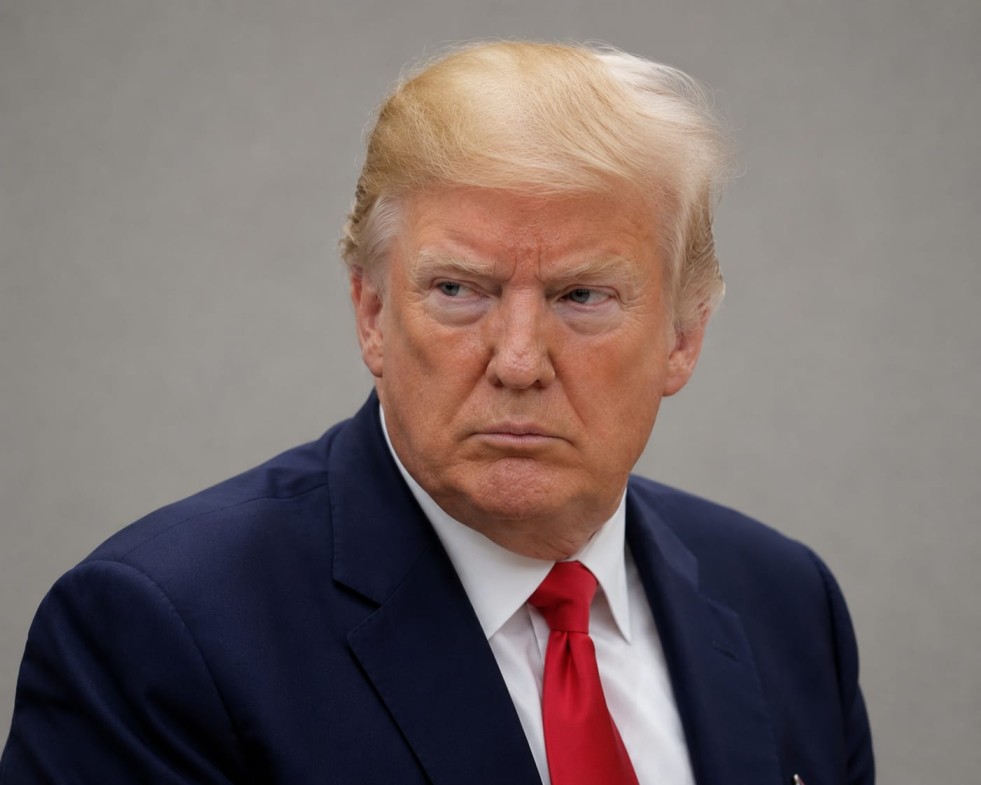
In the lead-up to the North Atlantic Treaty Organization summit in Ankara, U.S. President Donald Trump has voiced strong criticism regarding America’s current level of support for the alliance. He described the relationship as “one-sided” and lacking reciprocity, particularly pointing out that several NATO allies did not back the United States during its conflict with Iran. Trump expressed his frustration on social media, labeling the situation as “ridiculous” due to what he perceives as Washington shouldering an unequal portion of NATO’s defense responsibilities.
President Trump has consistently pushed for European countries within NATO to take on more responsibility for their security needs. Reflecting this stance, his administration has initiated measures to scale back certain U.S. defense commitments in the European region. The sentiment of dissatisfaction is not isolated to Trump alone; U.S. Secretary of State Marco Rubio has also commented on the existing tensions within the alliance. Rubio highlighted the president’s dissatisfaction, particularly with some NATO members’ lackluster response to U.S. military efforts in the Middle East.
These issues are anticipated to be a significant focus of discussion at the upcoming NATO summit. The meeting, scheduled for July 7–8 in Ankara, will bring together leaders from all 32 member countries. The agenda will cover defense cooperation, addressing security challenges, and outlining future commitments. Given the current climate of discord, the summit may play a pivotal role in determining the future dynamics of the alliance.
As the leaders prepare to convene, the debate over the distribution of defense responsibilities within NATO remains a critical point of contention. Trump’s repeated calls for European allies to bear a greater share of the security burden underscore the ongoing dialogue about the alliance’s future direction and sustainability. Whether this summit will yield a consensus or further highlight the divides within NATO will be closely watched by international observers.