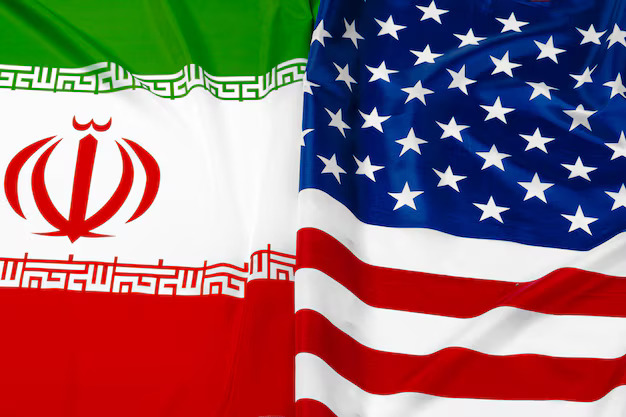
In a significant development aimed at curbing the prolonged tensions in the Middle East, the United States and Iran have brokered a peace agreement. This accord, confirmed by high-ranking officials from both nations, mandates an immediate cessation of military activities across the region, including in Lebanon. President Donald Trump has declared that the Strait of Hormuz, a key corridor for global oil transport, will be reopened under the terms of this agreement. This move is anticipated to resume international oil shipments and alleviate the stress on energy markets worldwide, although the timeline for fully restoring access to the strait remains somewhat indefinite due to differing reports from each side.
The peace agreement is set to be formally signed in Geneva on June 19. Key provisions of the deal involve lifting US naval constraints and reinstating commercial shipping activities through the Strait of Hormuz. Additionally, the framework aims to enable Iran to regain its footing in international oil markets, potentially providing much-needed economic relief. However, more intricate matters, such as Iran’s nuclear program, are slated for further discussion during a designated 60-day negotiation window, with the goal of achieving a more extensive agreement.
This announcement follows heightened tensions in Lebanon, where Israeli strikes had recently posed a threat to the stability of these diplomatic efforts. Iran has been adamant that any peace accord should encompass all regional conflicts, particularly the situation involving Hezbollah in Lebanon. Despite the signing of this agreement being hailed as a diplomatic triumph, experts are cautious about resolving entrenched issues within the set timeframe. Concerns linger regarding regional security threats, notably Iran’s missile development and its backing of allied groups throughout the Middle East.
The reopening of the Strait of Hormuz is projected to have a positive impact on global energy markets. Nonetheless, specialists caution that it may take several months to fully restore normal shipping operations and address infrastructure damages caused by recent conflicts.