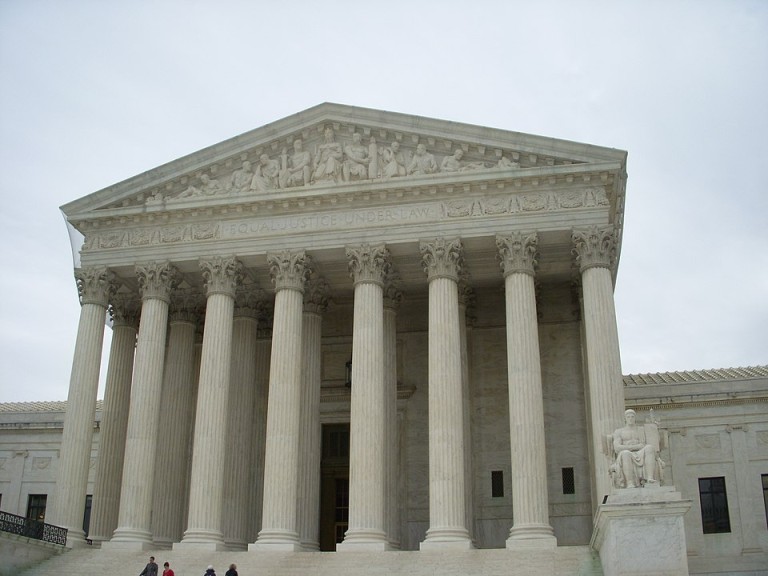
In a landmark decision, the US Supreme Court has affirmed the Federal Communications Commission’s (FCC) authority to levy financial penalties through its internal enforcement mechanisms. The verdict, reached by an 8-1 majority, dismissed the objections raised by telecommunications giants AT&T and Verizon. These companies contended that the FCC’s procedures infringed upon their Constitutional right to a jury trial. Chief Justice John Roberts penned the majority opinion, with Justice Clarence Thomas standing as the sole dissenter.
The case revolved around substantial fines imposed by the FCC on major wireless carriers, including a $57 million penalty on AT&T and a $47 million fine on Verizon. These penalties were issued following allegations that these companies had improperly permitted third parties to access customer location data without securing adequate user consent. Other carriers also faced financial repercussions linked to similar data privacy infractions.
AT&T and Verizon argued that the FCC’s internal system of enforcement deprived them of the right to have a jury decide their cases. However, the Supreme Court determined that the FCC’s processes do not preclude companies from contesting the imposed penalties in federal court at a later stage. This aspect of the ruling underscores that while the FCC can conduct internal proceedings, the door remains open for judicial review.
This Supreme Court ruling significantly bolsters the FCC’s capability to exercise its regulatory powers through administrative channels, marking a considerable triumph for the federal government. The decision not only upholds the FCC’s current enforcement framework but also sends a strong message about the legitimacy of administrative proceedings conducted by federal agencies in assessing penalties.