Tensions between the United States and Iran have escalated in the Strait of Hormuz, with US President Donald Trump announcing plans for peace talks to be held in Doha. Trump made the announcement on social media, stating that Iran had expressed a willingness to meet after a series of retaliatory strikes threatened the fragile ceasefire designed to maintain free passage in this crucial shipping lane. However, Iranian officials contradicted this claim, asserting that no direct negotiations were currently on the agenda.
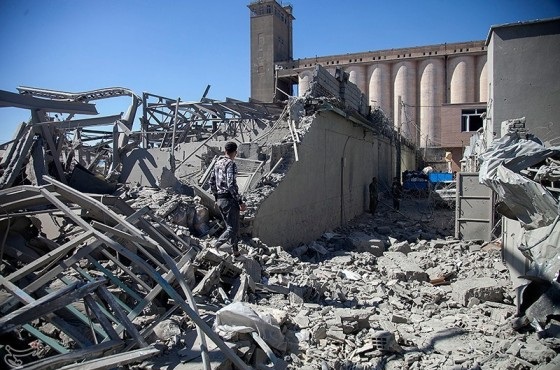
The Iranian Foreign Ministry clarified that while there may be discussions with the US, they have not progressed to the stage of formal negotiation talks. This statement came amid efforts by both nations to avoid further military confrontations following recent exchanges. These heightened tensions were sparked by an attack on a commercial ship in the Strait of Hormuz, which led to US military strikes on Iranian-associated targets. In retaliation, Iran launched missile and drone attacks on US positions in the region.
In response to the escalating situation, the US has indicated a temporary halt to military operations in hopes of facilitating dialogue. The anticipated discussions are expected to address issues such as regional security, shipping access in the Strait of Hormuz, and broader diplomatic matters that could influence stability in the area.
Elsewhere in the Middle East, Lebanon remains a hotspot of unrest, as Israel and Hezbollah continue to clash over border security and armament concerns. In a bid to stabilize tensions, Lebanese authorities have announced plans to bolster military presence along the southern border, highlighting the ongoing security challenges in the region.