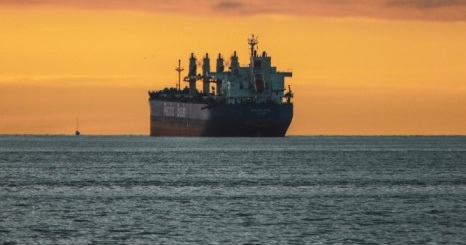
On Friday, global oil prices experienced a notable drop following remarks from US President Donald Trump, who hinted at the proximity of a peace deal with Iran. This development sparked optimism about a possible reduction in tensions along the crucial oil and gas shipping route of the Strait of Hormuz. During trading, Brent crude saw a sharp decline, falling below $85 per barrel from its earlier position of around $93 earlier in the week. However, the prices later stabilized in the range of $87 to $89 as the global markets processed mixed messages from both Washington and Tehran.
The initial plunge in oil prices was driven by the hope that a potential agreement might lead to the reopening of the Strait of Hormuz, a key passage for international oil and gas exports. Despite this, the market experienced a partial rebound when uncertainty resurfaced due to contradictory statements from both sides involved in the negotiations. President Trump mentioned that military actions planned against Iran had been halted due to advancements in discussions, but he also refuted claims of a finalized deal. Meanwhile, Iranian officials confirmed that while talks were ongoing, no definitive agreement had been reached.
Analysts have noted that the oil markets are particularly responsive to political developments, with prices reacting dramatically to news related to potential conflicts or diplomatic resolutions. The recent fluctuations highlight the sensitivity of the market to geopolitical events, where even the prospect of peace or conflict can sway the prices significantly. The impact of such news underscores the complex dynamics at play in global oil trading.
Despite the recent volatility in oil prices, some financial experts predict that prices might eventually stabilize as global supply conditions become better and oil stockpiles are replenished. Nonetheless, these forecasts remain uncertain due to the unpredictable nature of geopolitical risks and the variable demand levels. As the situation continues to evolve, market observers are keeping a close watch on the developments, acknowledging that the path to stability is fraught with potential disruptions.