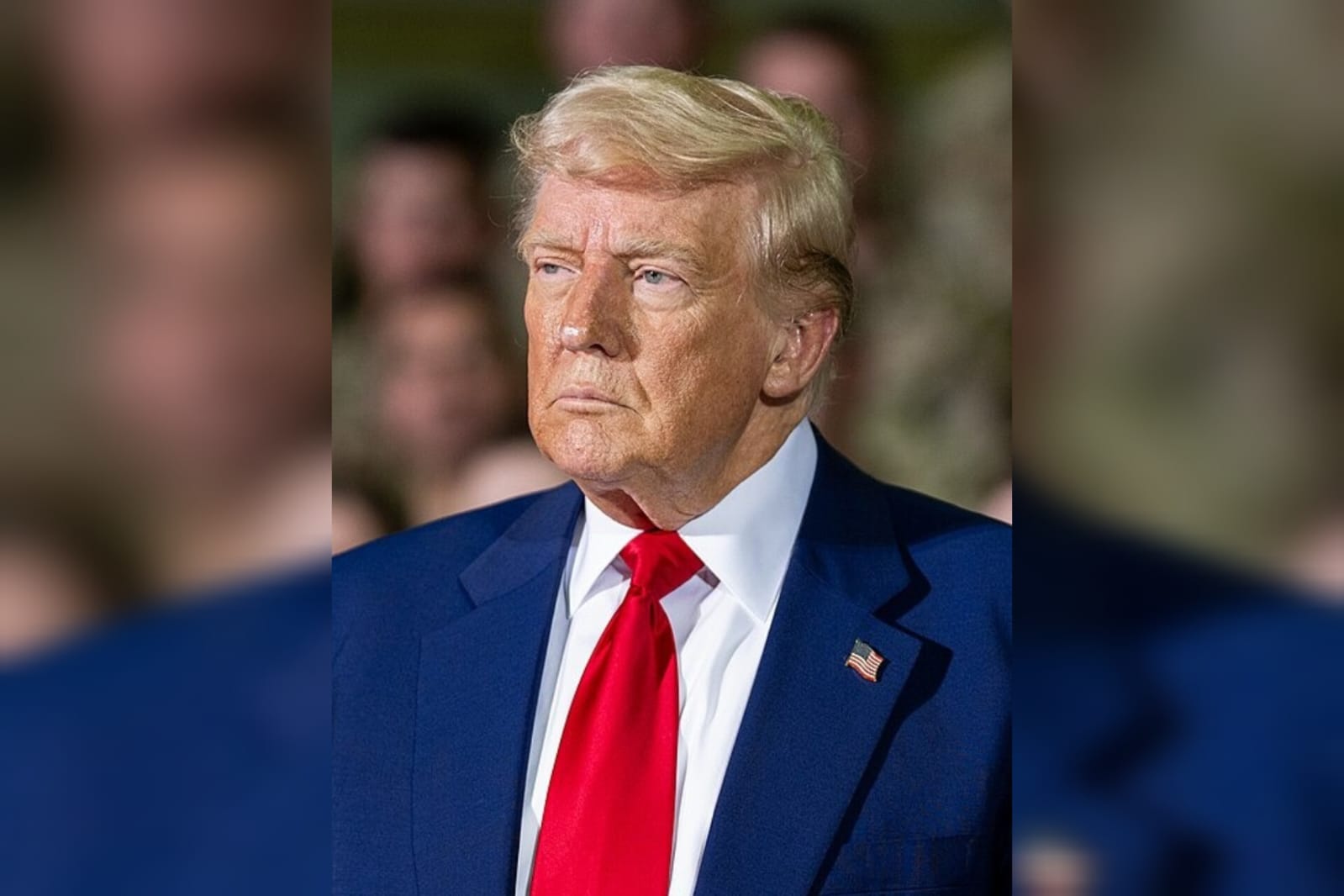
The recent memorandum of understanding between the United States and Iran, initiated by U.S. President Donald Trump, has sparked a wide range of reactions internationally. While some leaders see it as a critical move towards easing longstanding tensions, others are concerned that it grants significant advantages to Tehran without securing definitive commitments regarding its nuclear program. The agreement has been met with approval by Pakistani Prime Minister Shehbaz Sharif, who lauded the diplomatic efforts behind it. He highlighted its potential to reopen the Strait of Hormuz and foster renewed dialogue between Washington and Tehran. Similarly, the G7 leaders have expressed their support, viewing the deal as a pivotal opportunity to deter Iran from advancing its nuclear capabilities and to stabilize the global energy market.
As per the terms of the agreement, Iran is set to reopen the crucial Strait of Hormuz, a vital passage for global oil shipments, in exchange for the United States easing certain sanctions on Iranian oil exports, petroleum products, and associated banking services. The understanding also sets the stage for negotiations on Iran’s nuclear program and its stockpile of highly enriched uranium over the coming 60 days. However, the accord has faced significant criticism, particularly from Israel. Israeli political leaders and former officials have expressed concerns that reducing economic pressure on Iran could bolster its position without ensuring stringent restrictions on its nuclear activities. Additionally, some opposition figures in Israel have criticized their government for being excluded from the negotiation process, fearing the deal might exacerbate security challenges for Israel.
Within the United States, the agreement has elicited mixed responses. Some Republican lawmakers have cautiously endorsed the diplomatic initiative, acknowledging the reopening of the Strait of Hormuz and the potential reduction in hostilities as positive developments. Contrarily, other Republicans and several Democratic leaders have expressed skepticism, arguing that the deal affords Iran economic relief while only securing vague promises regarding its nuclear pursuits. President Trump has characterized the agreement as a substantial triumph for the U.S., whereas Iranian officials have framed it as a testament to their effective negotiation strategy.
The broader international community remains divided over the implications of this agreement, balancing the prospects of enhanced diplomatic engagement against the risks of empowering Iran without sufficient safeguards. As the world watches, the unfolding negotiations over the next two months will be crucial in determining the future trajectory of U.S.-Iran relations and the broader geopolitical landscape in the region.