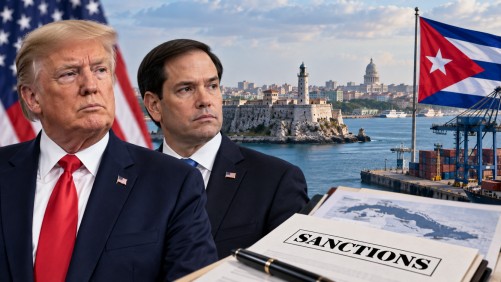
As U.S. sanctions continue to tighten against Cuba, a complex landscape of business and political interests is emerging, signaling potential shifts in the island’s economic dynamics. The Trump administration’s expansion of sanctions has prompted foreign companies to reconsider their stakes, thereby creating openings for U.S. investors and businesses to step in.
Among the most affected sectors is Cuba’s mining industry. Canadian company Sherritt International, facing heightened pressure, has attracted interest from two U.S. groups eager to acquire its share in a nickel and cobalt venture. One group is associated with Ray Washburne, a businessman and Trump ally, while the other involves Texas investor Albert Huddleston, known for his White House connections.
Similarly, Australia’s Antilles Gold is negotiating with Global Emerging Markets, a U.S.-based firm, to transfer its interests in a Cuban copper-gold project, following its own challenges with U.S. sanctions. These moves signal a growing American interest in exploiting Cuba’s natural resources amid shifting geopolitical conditions.
Beyond mining, the tourism and real estate sectors are also seeing renewed attention from U.S. entities. Executives linked to the Trump Organization have reportedly revisited Cuba to explore business opportunities, as European hotel companies scale back their presence on the island. This trend is mirrored in the logistics and trade sectors, with increased oil exports from Florida and Texas to Cuba’s private sector, while Florida-based shipping companies benefit from complexities faced by international carriers.
The evolving situation in Cuba has also spurred activity among U.S.-based lobbying firms and organizations with ties to Trump and Secretary of State Marco Rubio, as they seek roles in shaping Cuba’s economic future. These groups are advising businesses on investment strategies, energy development, and compensation for assets confiscated by the Cuban government.
In anticipation of potential political and economic changes, Cuban-American investors and former officials are discussing strategies to attract significant private investment from Cuban exiles. This preparation underscores the growing competition among various stakeholders vying for influence over Cuba’s future as Washington’s pressure on the island’s government intensifies.