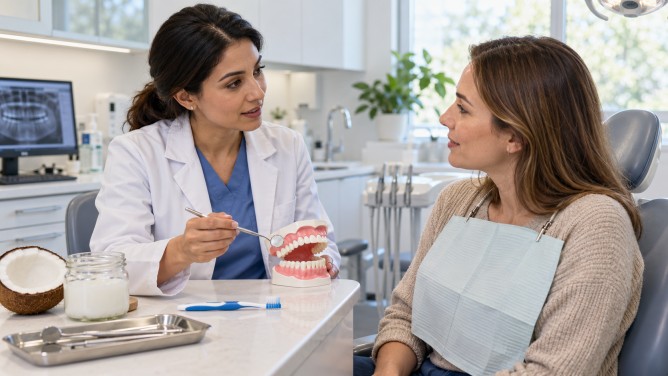
In the pursuit of a brighter smile, many individuals turn to popular dental trends that promise effective results. However, not all these trends are backed by solid scientific evidence and could potentially harm oral health. From charcoal toothpaste and coconut oil pulling to homemade baking soda mixtures and LED whitening kits, numerous misconceptions exist regarding their efficacy and safety.
Charcoal toothpaste is often touted as a natural solution for teeth whitening, but evidence supporting its effectiveness is limited. While it may help remove surface stains, its abrasive nature can lead to enamel wear, increasing tooth sensitivity and exposing the yellowish dentin beneath. Instead, using fluoride toothpaste and consulting a dentist for safe whitening options is advisable.
Another trend, coconut oil pulling, involves swishing oil around the mouth. Though some research suggests potential oral health benefits, it is not a substitute for brushing and cannot reliably prevent cavities or whiten teeth. Regular brushing with fluoride toothpaste and interdental cleaning remain essential practices.
Homemade baking soda mixtures are perceived as safe for stain removal, yet they lack fluoride, which strengthens enamel, and may lead to erosion when mixed with acidic substances like lemon juice. Opting for fluoride toothpaste designed for daily use and consulting a dentist for concerns about stains is recommended.
At-home LED whitening kits claim to enhance results, yet their effectiveness varies based on product quality and application method. LED lights do not inherently improve whitening results, and improper use can cause gum irritation and sensitivity. Consulting a dentist before use, especially for those with dental issues, is prudent.
Professional teeth cleaning can make teeth appear brighter but does not alter their natural color. For deeper discoloration caused by factors like aging or medication, different treatments may be necessary, and a dentist can offer suitable recommendations.
Contrary to popular belief, rinsing immediately after brushing may wash away beneficial fluoride left by toothpaste. Instead, spitting out excess toothpaste without rinsing and waiting before brushing after consuming acidic foods or drinks is beneficial.
Understanding the differences between water flossers and traditional floss is crucial. While water flossers can be helpful for individuals with braces or implants, traditional floss remains effective for plaque removal. Consulting a dentist can determine the best option for individual dental needs.
Maintaining effective oral hygiene involves replacing toothbrushes every three to four months, as worn bristles lose cleaning efficacy. Simple daily habits, such as brushing with fluoride toothpaste, cleaning between teeth, and limiting sugary snacks, contribute to healthier teeth without the need for trendy gadgets or unproven remedies.