As the United States continues to grapple with persistent inflation, the Federal Reserve has opted to increase its benchmark interest rate by 0.25 percentage points, bringing it to a range of 3.75% to 4%. This decision marks the first rate hike since July 2023 and reflects ongoing efforts by the central bank to manage rising prices and economic stability.
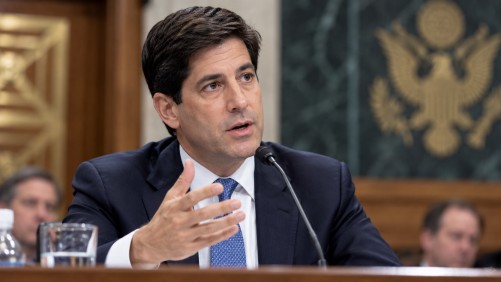
Federal Reserve Chair Kevin Warsh emphasized that inflation levels remain concerningly high, with recent data showing little improvement in the underlying price pressures. This assessment comes amid a broader economic context where inflation has stayed elevated, while unemployment rates have shown relative stability.
Compounding the inflationary pressures are higher energy prices, which have significantly impacted both households and businesses, leading to increased volatility in the US bond market. The Fed’s strategy involves using interest rates as a tool to influence borrowing costs and economic activity, aiming to curb demand and alleviate price pressures.
The decision to raise rates follows a period of considerable monetary tightening. The Federal Reserve had previously escalated rates to a peak of 5.25%-5.5% after inflation surged to 9.1% in June 2022. Subsequent rate cuts in 2024 and 2025 preceded the latest increase, underscoring the central bank’s flexible approach to monetary policy.
US President Donald Trump has publicly advocated for significantly lower interest rates, arguing for reduced borrowing costs. His stance highlights ongoing debates about the Federal Reserve’s independence in setting monetary policy and the broader implications for the economy.
Looking ahead, the Federal Reserve’s projections suggest the possibility of another rate increase before the year’s end, with officials anticipating that inflation will take several years to recede to the central bank’s 2% target. Meanwhile, inflation-adjusted wages have weakened, affecting consumer sentiment and household purchasing power.