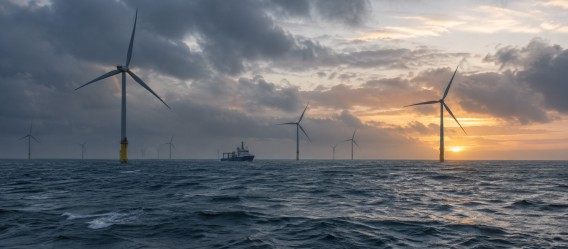
The ongoing battle over the future of renewable energy in the United States has escalated, with California and New York taking legal action against the Trump administration. Both states have filed lawsuits challenging the federal government’s decision to buy back offshore wind leases, a move they argue could significantly hamper clean-energy development and lead to higher electricity costs.
California Attorney General Rob Bonta is contesting the cancellation of an offshore wind project planned by Invenergy, a company based in Chicago, which was set to be developed off the California coast. The federal government has initiated plans to buy back leases for four offshore wind projects located on both the East and West coasts of the United States.
In a parallel move, New York Attorney General Letitia James is spearheading a coalition of states in a legal suit against agreements involving Invenergy and Bluepoint Wind. These agreements would compensate energy companies for halting the development of offshore wind projects, a strategy that has been criticized for undermining renewable energy efforts.
The Trump administration has defended its position, committing billions of dollars to these buyback agreements. The Interior Department argues that these deals are necessary as companies are shifting their focus towards more reliable energy sources, including fossil fuels.
James has labeled these agreements as unlawful, emphasizing that cancelling wind projects could challenge states’ abilities to meet increasing electricity demands. Bonta has echoed similar sentiments, asserting California’s commitment to advancing clean-energy projects despite the federal shift in policy.
This legal confrontation underscores the deepening divide between the Trump administration and states like California and New York, which are pushing for a robust transition to renewable energy. The outcome of these lawsuits could have significant implications for the trajectory of offshore wind development in the U.S.