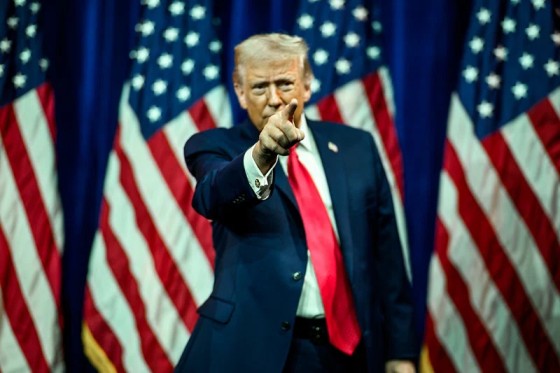
In a recent cabinet meeting, US President Donald Trump issued a stern warning to Oman, signaling Washington’s readiness to react decisively if the Gulf nation attempts to influence the flow of traffic through the Strait of Hormuz. This narrow waterway is a crucial artery for the global oil supply, and its accessibility is of significant international interest.
Trump emphasized that the strait must remain accessible to all, following reports of potential discussions between Iran and Oman about implementing transit fees on vessels traversing this vital route. The President assured that the United States would continue its vigilant oversight of the strait to guarantee unimpeded passage for shipping and asserted that any unilateral control by a single nation would not be tolerated. In a pointed comment, he insisted that Oman would be expected to comply with international norms, cautioning that failure to do so could result in severe repercussions.
Amid heightened tensions due to the ongoing US-Israel conflict with Iran, the Strait of Hormuz, through which approximately 20% of the world’s oil supply is transported, has become a focal point of concern regarding global energy stability and regional security. The potential for disruption in this area has escalated discussions about the broader implications for international trade and diplomatic relations in the Gulf region.
Oman, known for its longstanding alliance with the United States, has historically acted as a mediator in regional disputes, often facilitating dialogue between Iran and Western nations. This diplomatic role adds another layer of complexity to the current situation, as Oman balances its relationships with both US and regional actors.
In his remarks, Trump also accused Iran of stalling negotiations, suggesting that Tehran might be buying time in anticipation of shifts in the US political landscape, particularly with the upcoming midterm elections. This delay, he implied, could be a strategic move by Iran to leverage potential changes in US policy following the elections.