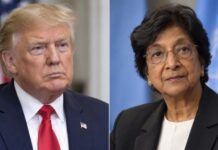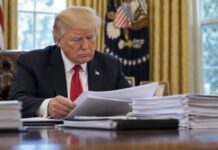
The Trump administration’s recent initiatives, including the dissemination of contentious documents related to elections and persistent assertions concerning voting by noncitizens, have prompted voting specialists to express apprehension about potential increased federal involvement in the upcoming November midterm elections. President Trump has consistently asserted that U.S. elections are susceptible to foreign meddling, reiterating baseless claims that the 2020 presidential election was fraudulent. Furthermore, former aide Steve Bannon has alluded to the possibility of Trump declaring a national security emergency in connection to the elections.
Despite these statements, legal scholars emphasize that any declaration of a national emergency would not supersede the constitutional boundaries that limit presidential control over election processes. Historically, no U.S. president has employed emergency powers to seize control of electoral operations. This context underscores the unprecedented nature of such a move, which raises significant legal and constitutional questions.
In addition to these claims, the administration has made public certain declassified information pertaining to voting machines, foreign intervention, and voter registration. They have also been advocating for disputed analyses regarding voting by noncitizens. Critics argue that these analyses lack transparency in their methodology and could be used to justify increased federal oversight of elections traditionally managed by states.
The White House has not entirely dismissed the notion of taking emergency measures, while it continues to endorse legislative efforts aimed at broadening federal involvement in voter registration and election management. This dual approach reflects the administration’s strategy to both prepare for potential immediate actions and pursue long-term policy changes that would enhance federal authority over the electoral process.