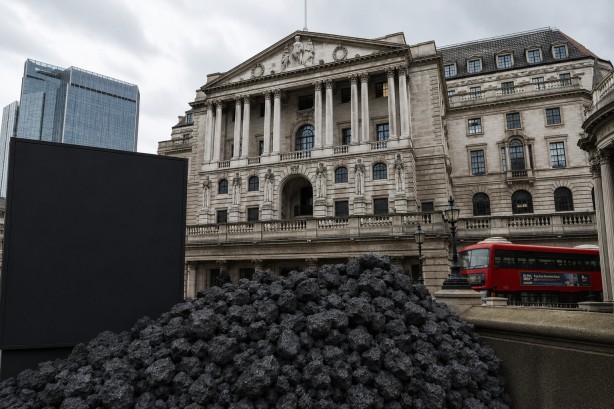
In a noteworthy move to mitigate climate-related financial risks, the Bank of England will cease accepting bonds associated with thermal coal companies as collateral for its lending operations starting in October. This decision is part of a broader effort to address the environmental impact of financial activities.
Commercial banks often use bonds as collateral when borrowing funds from the central bank to maintain liquidity and facilitate transactions. However, under this new directive, bonds tied to thermal coal, a fossil fuel utilized in power generation, will no longer qualify for such purposes. This shift reflects the growing financial uncertainties surrounding companies involved in thermal coal, as nations worldwide accelerate the transition to cleaner energy sources and aim for net-zero emissions. Consequently, assets related to coal are at risk of diminishing in value over time.
The Bank of England’s policy further extends to potentially applying discounts on bonds from other sectors with significant climate risks, in an effort to safeguard its balance sheet from prospective losses. This approach underscores the central bank’s commitment to incorporating environmental considerations into its financial operations.
Environmental advocates have lauded the decision, viewing it as a powerful message to financial markets that could prompt commercial banks to curtail their investments in industries with high pollution levels. Presently, over 150 major financial institutions globally have already established limitations on business dealings with the thermal coal sector.
While analysts acknowledge the policy as a positive step, its ultimate success hinges on the accurate assessment of climate risks and whether similar policies will be applied to other environmentally detrimental activities in the future. The financial community will be closely monitoring how these measures evolve and their impact on market practices.