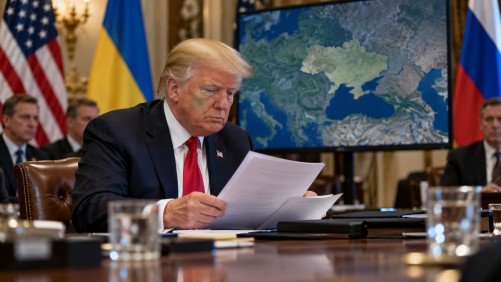
Amid escalating tensions with Ukraine, President Donald Trump has decided to suspend a new set of sanctions against Russia, which were slated to take effect on October 18. This decision coincides with criticism over the U.S.’s recent agreement to purchase diesel from Russia, raising questions about the consistency of American policy toward Moscow.
The sanctions, which were signed into law by Trump after passing with bipartisan congressional support, aim to target Russian officials, banks, and oil tankers involved in transporting Russian energy supplies. The legislation also authorizes tariffs of up to 100% on the five largest importers of Russian oil or natural gas, though certain exemptions apply. The primary objective is to curtail Moscow’s energy revenues and exert economic pressure on the Kremlin in response to its ongoing military activities in Ukraine.
The decision to delay the sanctions has sparked criticism from U.S. lawmakers, including a bipartisan group of senators who have urged Trump to implement the measures. The controversy has been further fueled by the diesel deal with Russia, which involves multiple shipments starting with over 300,000 metric tons. Ukrainian President Volodymyr Zelenskyy has expressed concern that the proceeds from these diesel sales could potentially support Russia’s war efforts.
Trump’s actions have also stirred domestic political debate, as he has criticized Ukraine’s leadership and attributed rising energy prices to Ukrainian attacks on Russian oil refineries. With the U.S. midterm elections on the horizon, energy costs and foreign policy are becoming increasingly significant issues for the administration.
In South Carolina, the sanctions delay has gained attention as Darline Graham, the sister of the late Senator Lindsey Graham who championed the legislation, campaigns for a full Senate term. She has defended the sanctions while acknowledging the president’s authority to decide on their implementation.
The move leaves uncertainty over whether the U.S. will eventually enforce the sanctions or continue to prioritize other strategies aimed at reducing energy prices and ending the conflict in Ukraine. As the situation develops, the implications of Trump’s decision may further affect both domestic and international political landscapes.