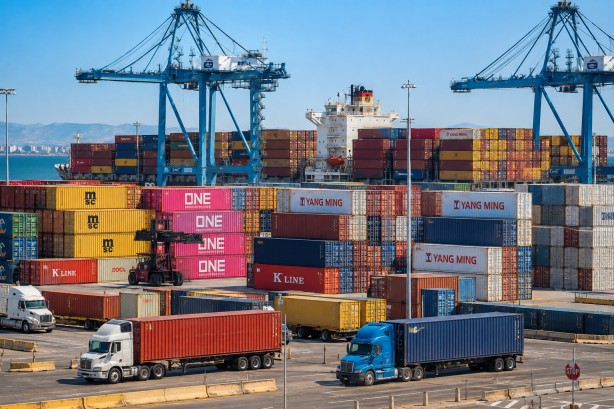
In a significant legal and economic development, the United States government has been ordered to return approximately $100 billion in tariffs that were collected under the trade policies implemented during President Donald Trump’s administration. These tariffs, part of the “Liberation Day” measures, were deemed unlawful by a recent Supreme Court decision. The ruling affects a substantial portion of the $165 billion in duties collected prior to the court’s verdict, prompting the government to issue refunds to the impacted companies.
The tariffs were initially a cornerstone of Trump’s trade strategy, which aimed to revitalize domestic manufacturing, negotiate favorable trade agreements, and enhance government revenue. However, despite the refund of these tariffs, the federal budget deficit has continued to grow, reaching a staggering $1.37 trillion in the first nine months of the fiscal year. This persistent deficit poses ongoing challenges for economic policymakers as they navigate the complex landscape of international trade and domestic fiscal health.
In a related move, the Trump administration recently announced a new series of tariffs, ranging from 10% to 12.5%, targeting imports from over 80 countries. This list includes major global players such as India, China, the United Kingdom, Canada, Mexico, Australia, and the European Union. The administration has justified these tariffs by citing concerns over products linked to forced labor, reflecting a continued commitment to addressing human rights issues through trade policy.
Nevertheless, these latest tariffs have not gone unchallenged. A coalition of 25 U.S. states has launched a legal battle to prevent the implementation of these measures. The states argue that the new tariffs unlawfully replace those previously invalidated by the Supreme Court, thereby circumventing the judicial system’s authority and undermining the rule of law. As this legal dispute unfolds, it highlights the ongoing tensions and complexities that characterize the current landscape of international trade and domestic policy.